• Home
  • Training
  • Photos
  • Learn
  • Shop
  • Contact
  • Search
PHO PAWS
  • Home
  • Training
  • Photos
  • Learn
  • Shop
  • Contact
  • Search

Dog Training: The Importance Of Daily Exercise

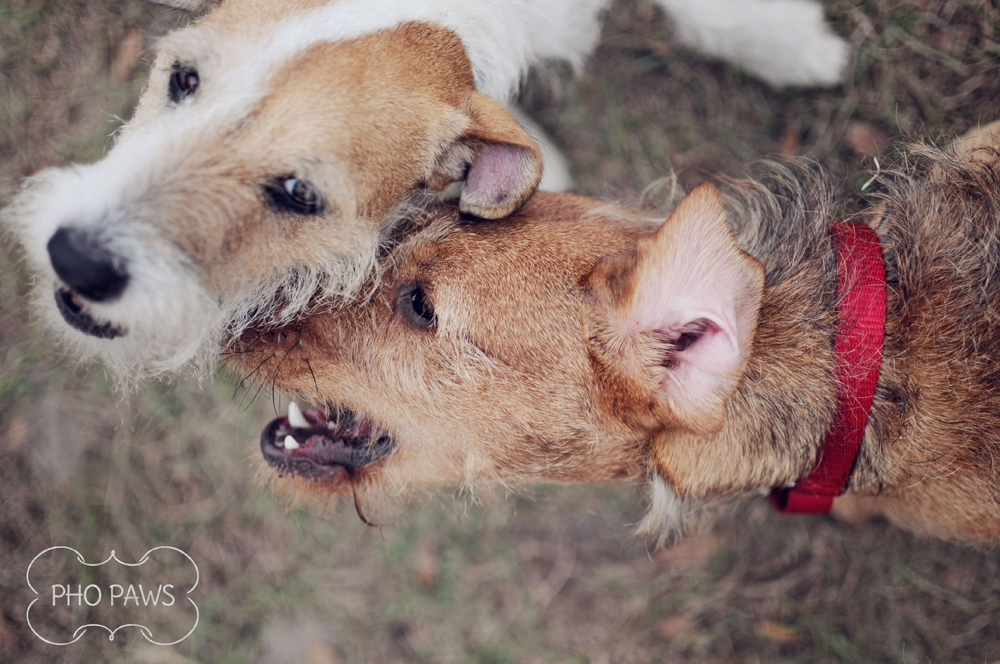
Have you ever wondered what would happen if you just never exercised your dog?

I preach the benefits of daily, exhausting physical and mental exercise for your dogs, but I haven't talked much about what happens if you don't exercise them. What I can say with 100% authenticity is that the root of the behavior problem for every dog and owner pair I've worked with has been a lack of exercise.

Behavior aside, your dog's health will go out the window. If you go back to dog's origin, the wolf, and look at their lifestyle, you'll see how important their stamina is. If they don't walk, they don't eat. Simple as that. Your dog's nature says: walk, then eat.

I Maybe you have a hard time setting time aside to walk your dog, and you don't fully see the benefits of walking them everyday if you have a big yard. This is a normal thought process, but it doesn't diminish your dogs need to travel on all fours.

The bottom line is that your dog has physical, psychological and emotional needs just like you do. Just as you need to move your body in order to stay healthy, it's so important to meet these needs for your dog. You'll find that a dog who doesn't get walked ends up channeling their energy in a destructive way.

I have a big yard and a treadmill. It would be easy for me to avoid walking my dogs, but I can't argue with the results of providing for their basic needs. I would encourage you to meet your dogs' basic needs, too, and experience the happiest and healthiest life with them possible!
tags: Week of November 2 2015
categories: Dog Training
Friday 11.06.15
Posted by Kelsey R
 

Photography: Light & Hair

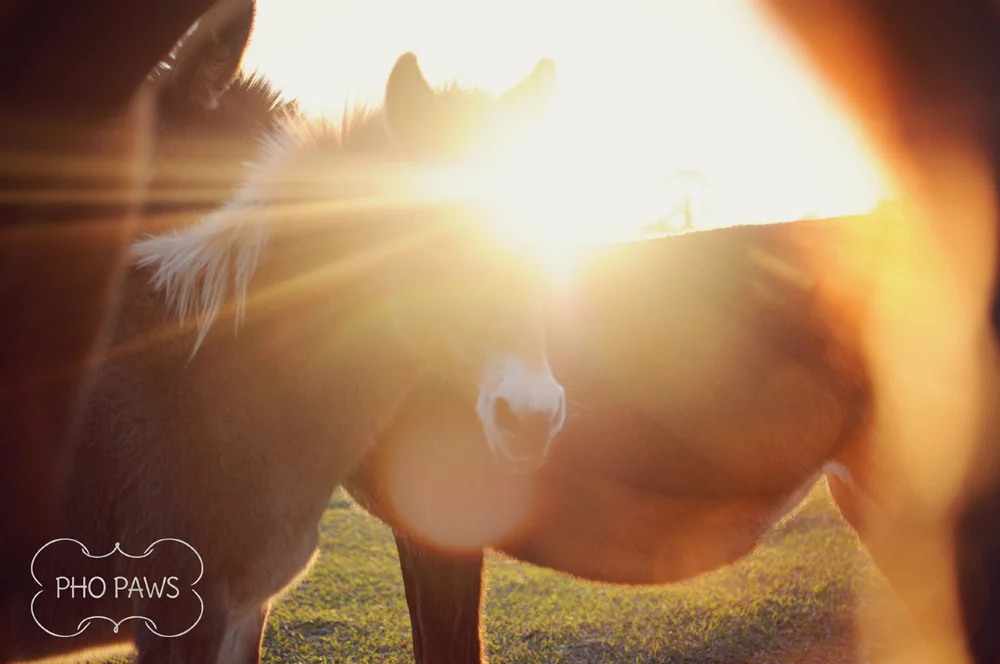
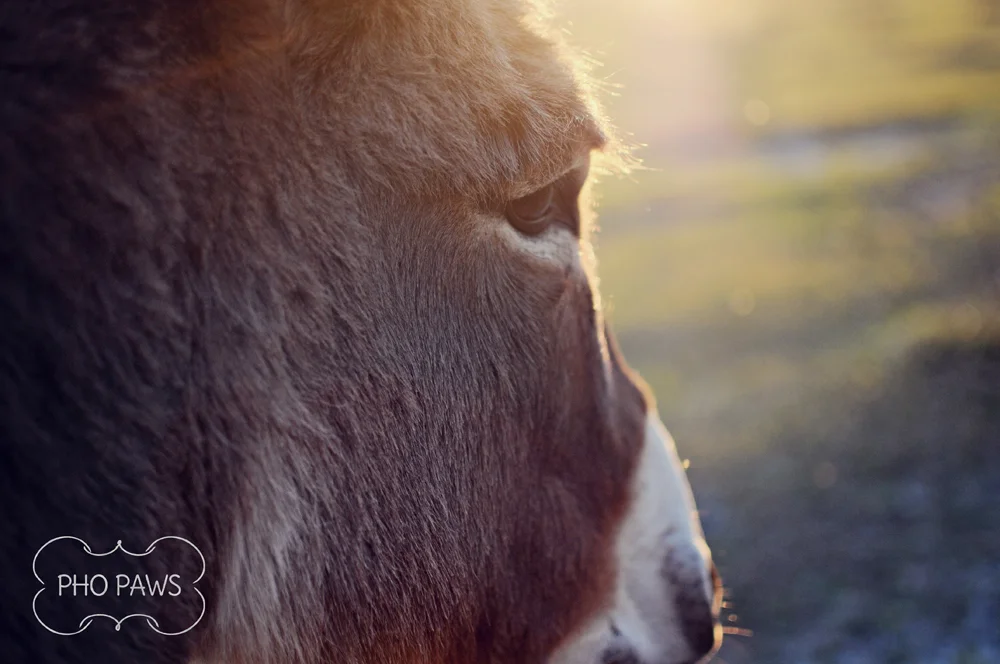
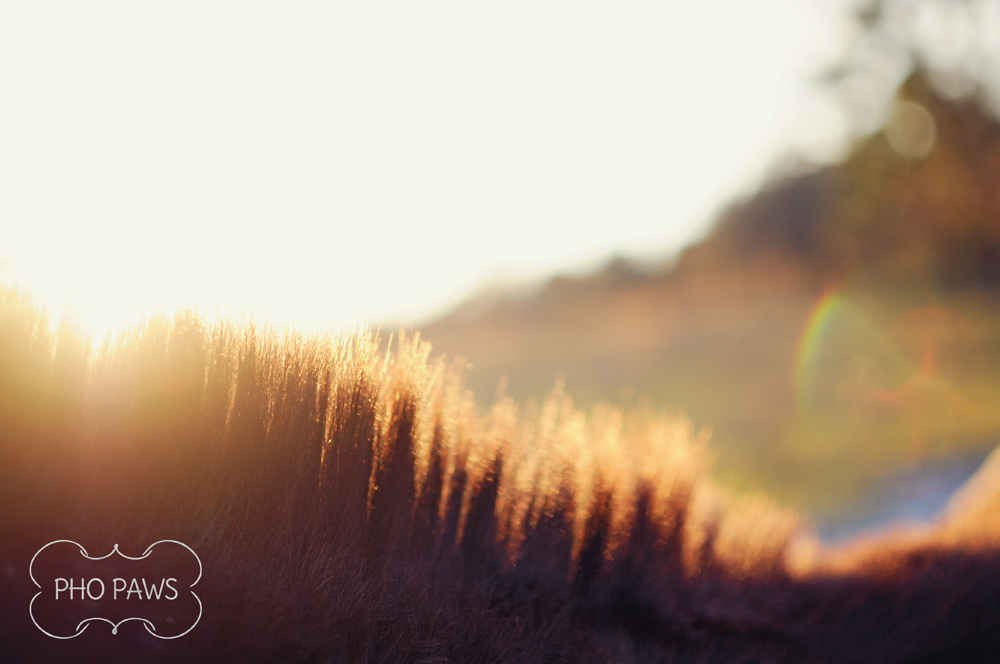
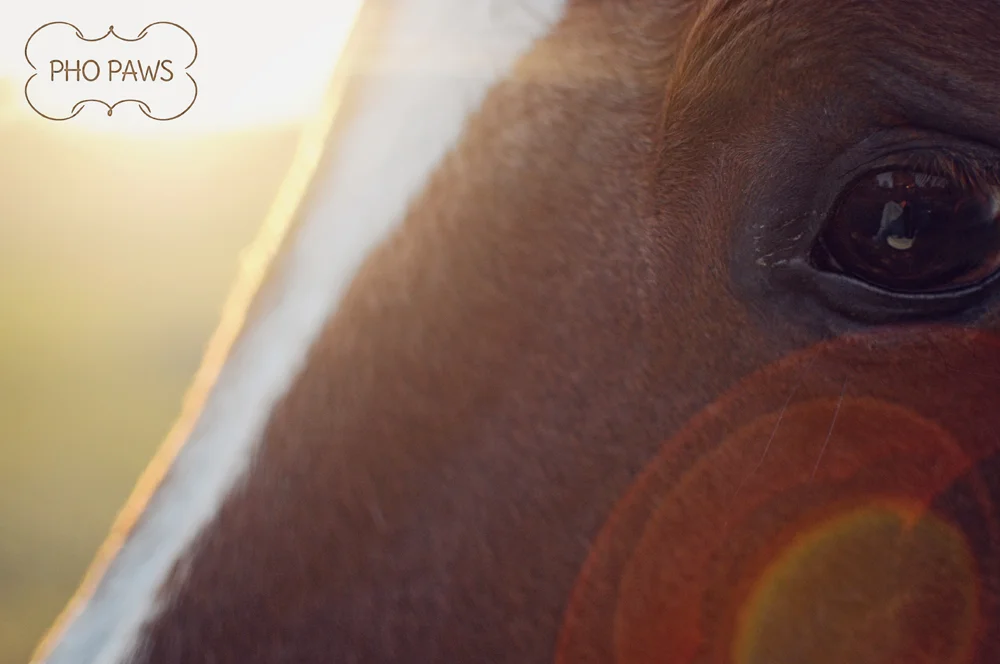
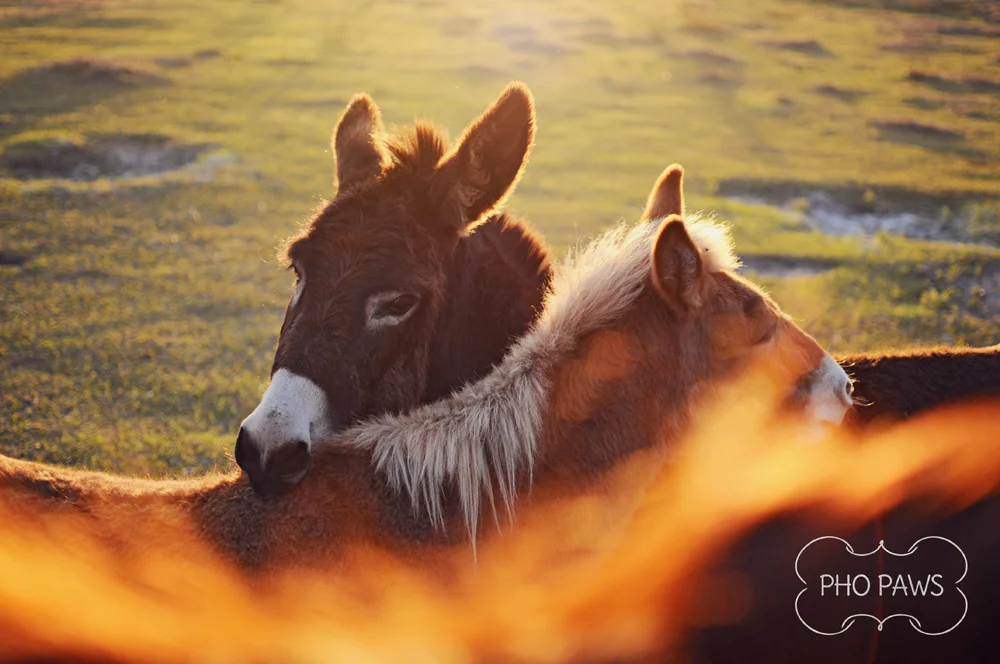
One of my favorite things is to capture golden light and fuzzy critters. This gang certainly provided me with lots of eye candy. Between that gorgeous winter light and their sweet interactions with one another, I had my hands (and heart) full.

One common challenge of photographing larger mammals is being able to read and respond to their body language. Donkeys are reluctant to trust just anyone, and subtle body language changes can be very obvious in photos to those who own them. This is where having a background in animal behavior always works to my advantage! 

One thing few people know about my shooting style is that I rarely look through the lens when interacting with and capturing animals. I want the experience to be as relaxed, playful and positive as possible. With horses and donkeys, there is a unique angle at which they view their world, a very "fish-eye" sort of angle. This means that if you are facing them head on, they cannot see you.

It is very important to me that I always introduce myself to the animal I'm working with in their own "language" (for horses, breathing into their nostrils and taking turns making noises [strange? I know.]) This means that my camera can often get in the way of that animal trusting me. It was vital that I learned to shoot the way I do, as a minimal distraction, so that I can capture the animals true personality and expression.

tags: Week of November 2 2015
categories: Photography
Wednesday 11.04.15
Posted by Kelsey R
 

Breed Of The Week: Chihuahua

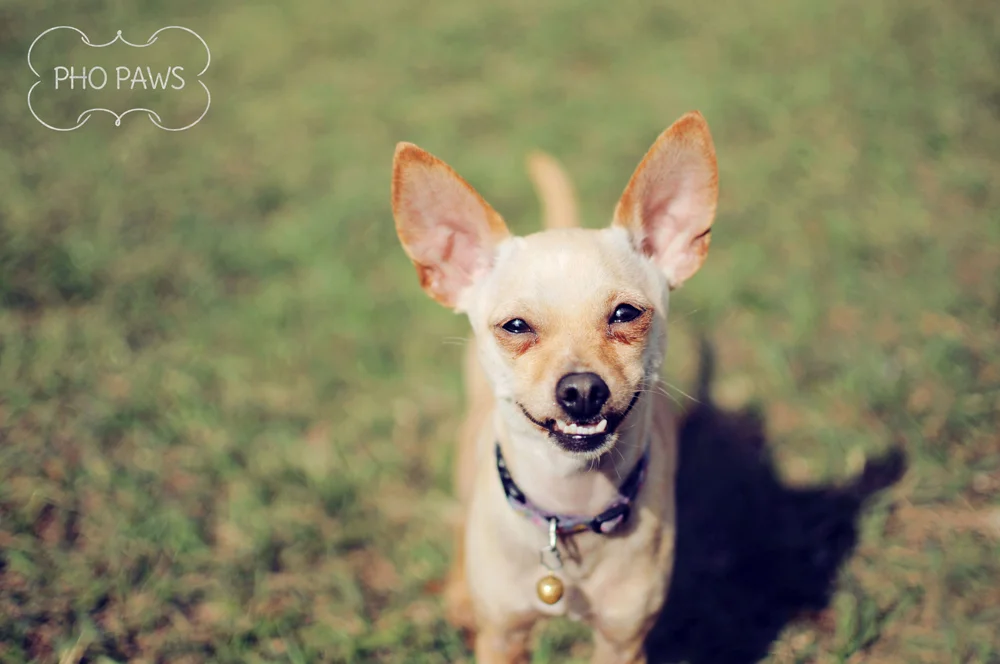
Chihuahuas are the smallest of all dog breeds, and belong to the Toy Group. While little is known about the origin and history of the modern day Chihuahua, in 1850, Americans began acquiring these small dogs from the state of Chihuahua in Mexico (hence the name). 

This extremely small and super tough dog breed is known to be "clannish" meaning that they often prefer being around other Chihuahuas as opposed to other dog breeds. For socialization purposes, and as a professional dog trainer, I don't recommend that you only allow your Chihuahua to play with and be around other Chihuahuas. 

Due to their size, these dogs often are treated with "small dog syndrome" which means that people have the tendency to coddle them and pick them up. My best advice to avoid any problem behaviors from your Chihuahua would be to treat them like a large dog. Create the same boundaries you would for a Rottweiler.

Imagine if your small dog was fifty pounds heavier and ten times the size. Would the behavior they are displaying (jumping, inviting themselves onto furniture, snapping at strangers or guests, etc.) be acceptable? Chihuahuas are desirable as family dogs because of their size and loyalty. They are affectionate and often easy to care for, but socialization and exercise is an absolute requirement if you want your pup to have a happy and healthy life with your family. 

tags: Week of November 2 2015
categories: Dog Training
Monday 11.02.15
Posted by Kelsey R
 

 Stay in the loop. I'll send you immediate access to this free guide!  

You will also receive my best advice for raising a healthy dog, along with updates on new collectible items in my shop.  

Check your inbox!

Come. Sit. Stay. Follow Me.


@PHOPAWS