• Home
  • Training
  • Photos
  • Learn
  • Shop
  • Contact
  • Search
PHO PAWS
  • Home
  • Training
  • Photos
  • Learn
  • Shop
  • Contact
  • Search

Dog Training: Keep Your Dog Out From Under Foot

Do you find yourself tripping over your dog on a regular basis? Do they get in your way when you turn around? Are you constantly walking around them so as not to disturb them? If you answered "yes" to any of these, your dog is probably under foot too often. 

When dogs get under our feet, it's not only hazardous and inconvenient, but it sends them the message that we do not require spatial respect from them. Without this element of respect, our dogs will assume the right to our space uninvited, and this can be even less convenient and very unhealthy for the relationship. 

Dogs want to look to us for leadership. They seek guidance and rules. The clearer we are with them as to the boundaries, and the more consistently we enforce them, the more respectful they will be of those limitations. Boundaries are to dogs what schedules are to people. By not enforcing and reinforcing rules that set our dogs up for success, we are actually confusing them and sending them mixed messages. 

You can teach your dog this fabulous command: get out. Either by starting to teach them the "back" or "backup" command, and tossing them a treat, or by simply signaling to them with your body language that they need to get out of your space, you can teach them this command very quickly. Think of the space around you as a bubble. When you say, "get out", what you mean is, "get out of my bubble". Once they're out, an affirming, "good job" is enough to help them differentiate that they did the right thing. 

Sooner or later, someone will set the boundaries in your household. I would encourage you to make it sooner, and make the rules your rules. I believe that you will have a happier and healthier household and relationship with your dog when they recognize that you are in charge. They truly like following someone else's rules way better than they like setting their own. Practice keeping your dog out of your path by encouraging them to move with the "get out" command and see the positive results from it! 
tags: Week of October 12 2015
categories: Dog Training
Friday 10.16.15
Posted by Kelsey R
 

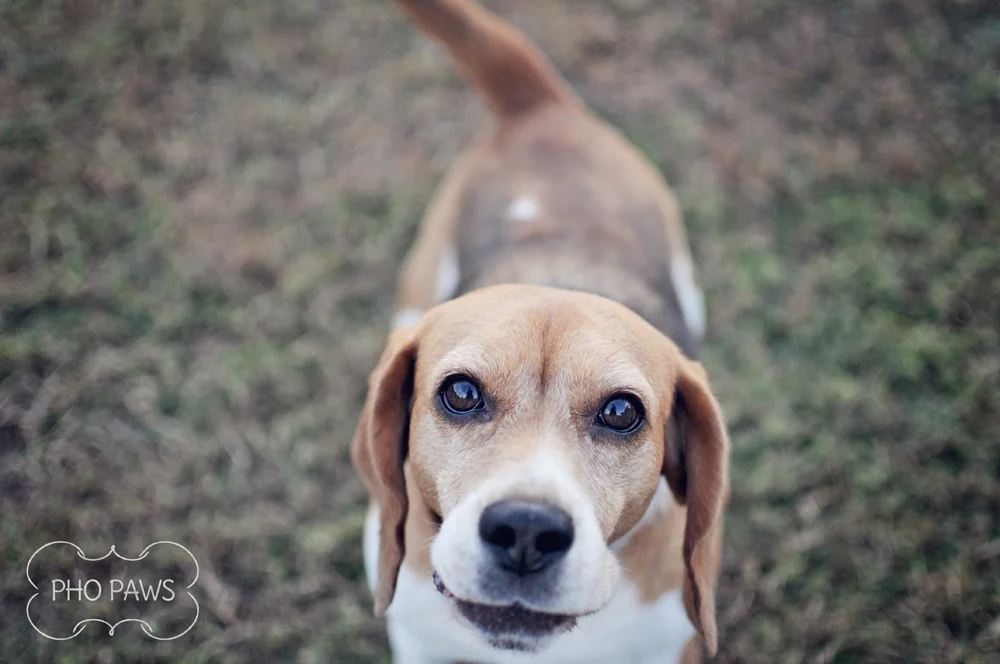
Breed Of The Week: Beagle

The Beagle is originally from England and was bred to be a hunting dog. They were most frequently used for hunting small game such as rabbits and quail, and would work either in a group, in pairs or individually. Because of their history and background in hunting and working well in both a group or individually, they make fabulous companions but can often be independent and distracted. 

Sweet and compliant in nature, Beagles need much more physical and mental exercise than they are often given. Their background in hunting requires that they have a high prey drive and sprints of focus and energy, though their mental and physical stamina lasts longer than many other breeds. This is why I highly recommend that you seriously consider your own exercise regimen before taking on a Beagle dog, as you may or may not be a good fit for the exercise they need. 

Most frequently used as scent dogs for police sectors, Beagles truly are a dog who needs a job. A great activity to practice with your Beagle on a daily basis (after your daily walk or run) would be a fun scent tracking game in the back yard or nearby park where you can reward your beagle for finding something specific. This utilizes their truly incredible sense of smell and gives them a job at the same time. 

Beagles make wonderful friends, though they can often be distracted in any environment and they have a hard time sticking to task to please their master, since they are accustomed to hunting at a distance from their owner. Keep in mind that this breed needs a great amount of incentive to positively reinforce the good and best behaviors, and a clear consequence to discourage bad behaviors. Once they have clarity on which is which, I find that they can listen much easier and grow in their desire to please their owner. 

tags: Week of October 12 2015
categories: Dog Training
Monday 10.12.15
Posted by Kelsey R
 

Dog Training: No Dogs In The Kitchen

Dogs recognize food as a reward. We don't have to tell them that food is a reward, because it's in their instincts. Because of this fact, they seek to work in order to earn their food, so when they don't have to work in order to receive it, they become confused and complacent. Just as people appreciate what they earn, so do dogs. 

If you set a kitchen boundary for your dog and don't allow them to cross that line, you're letting them know that you're in control of the space and that you set the rules. While setting household boundaries in any room is a good idea, as it specifically relates to not allowing your dog in the kitchen, I simply can't argue with the results. I've seen dog owner after dog owner have a drastic improvement in their relationship with their dog due to setting this boundary. 

Dogs who respect boundaries set by their owners are far more likely to respect boundaries reinforced by acquaintances and friends. Another reason why allowing your dog to hover the kitchen space does not help their overall health is that they can easily and many times unintentionally get in your way. You may be unconsciously catering to their boundaries that you don't even know they've set by moving around or tripping over them when you're in your kitchen.

The main idea I'm communicating here is this: your dog wants clear boundaries to follow, and they're looking to you to provide them. The only thing that's lacking in your dogs understanding of your boundaries is clarity. When you are clear with the boundaries and consistent in reinforcing them, your dog is set at ease because they don't have to be responsible to be the pack leader. 

So, why is the kitchen a better fit for people and food than it is for dogs? Because your dog respects the fact that you have exclusive rights to specific areas in the house, and they see you as the leader when you set and reinforce those boundaries.

tags: Week of October 5 2015
categories: Dog Training
Friday 10.09.15
Posted by Kelsey R
 

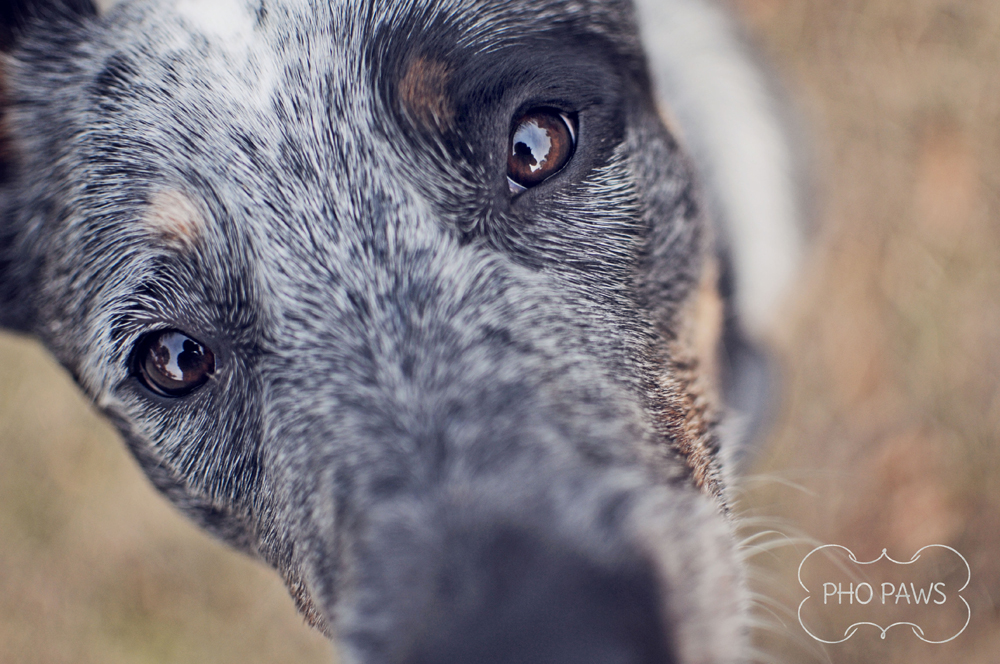
Breed Of The Week: Australian Cattle Dog

Australian Cattle Dogs truly have a beautiful history. From a diverse genetic line including Dalmatians, Dingos, Blue Merle Highland Collies and the Black and Tan Kelpie, Australian Cattle Dogs were bred to control the number of free ranging cattle in Australia during its early colonization. 

Today, they are a very common family dog in various countries around the world, such as The United States of America, European countries and Australia. Their nature is very calm and collected, yet protective with a stamina that lasts from sunup until sundown (which comes from the Dingo). So while they make great family pets, many Australian Cattle Dog owners try to squeeze this big job focused dog into a smaller and quieter lifestyle than it needs. 

This is where I see things go awry. This dog can literally (and should) work all day at a focused job such as herding cattle. If not given the proper job on a daily basis, you may notice that your Australian Cattle Dog has suddenly resorted to herding your kids or anything else that moves. They are one of the most intelligent dogs, and this is why brain games can go a long way for the off hours that they aren't able to be outdoors. 

The Australian Cattle Dog is not a good couch potato or "stay at home" dog, because they have such a high working drive. They make fabulous farming companions, but are not an ideal house pet for the family that doesn't do much outdoor activity or is unable to commit to giving this dog a proper daily job. 

tags: Week of October 5 2015
categories: Dog Training
Monday 10.05.15
Posted by Kelsey R
 

Dog Training: Giving Your Dog Their Own Furniture

Having our dogs live in our houses with us can be a fun and often daily adventure! Many clients ask me whether or not it's a bad idea to have their dogs sit on the couch with them or sleep on the bed with them. My simple answer is this: which behaviors do you want your dog to display and which behaviors do you not want your dog to display? 

If you don't want your dog to be dominant and pushy, then the answer is simple. By creating spaces in our houses that are exclusive to us, what we are communicating to our dogs is that we are in control of the space, and they are not. Instead of allowing our dogs up on our furniture, why not get them their own furniture? A dog bed in the room(s) where you most frequently relax lets them know that you expect them to relax, too, just in their own space. 

Teaching your dog to relax when you do can be one of the most powerful things you teach them. Whenever I work with dogs who are especially "in people's faces", I teach the owner that while this may not bother them, they have no control over it bothering their friends and acquaintances. In my experience, it's better to have a spatially respectful dog than an in-your-face dog. Giving your dog their own spaces can also be part of a training regimen in teaching them to "go to a target", which in turn can be a fun and rewarding exercise for both dog and owner.

tags: Week of September 28 2015
categories: Dog Training
Friday 10.02.15
Posted by Kelsey R
 

Dog Training 411: Spotlight on Oliver

Puppies are such a fun addition to our families! Sometimes they need a little more guidance than we expected them to, and sometimes we need a few memory refreshers on how to guide them to behaving the best way possible. I had a blast working with Oliver's owners on some basic pointers and behavior cues, and they saw great results with his ability to respond to their commands and requests. 

I want to highlight a few common questions that my clients who have puppies ask me. When you're teaching a puppy to come to you, it's very important that you don't actually pair the word "come" with calling them to come over to you, but rather only pair the word "come" with the act of them coming to you. This means that if you call them over to you, you shouldn't use the actual word "come" until they have thoroughly learned it.

Another common puppy question has to do with leash training. If they learn early that pulling actually doesn't get them closer to what they want faster, it can be very easy to prevent the problem of pulling in the future. Oliver has been doing a fabulous job on his walks, and we introduced the element of jogging beside a bike to him during our session together. He simply had more energy than he was able to get out at a walking pace, and so the bike was the best solution in his particular case. 

Often times, when puppies don't have a clear direction about where they should be and what they should be doing, they get bored and resort to following their owners around all day or begging for attention. Teaching them "no" or "go lay down" can be really simple and helpful towards them learning how to calm themselves down in the future.

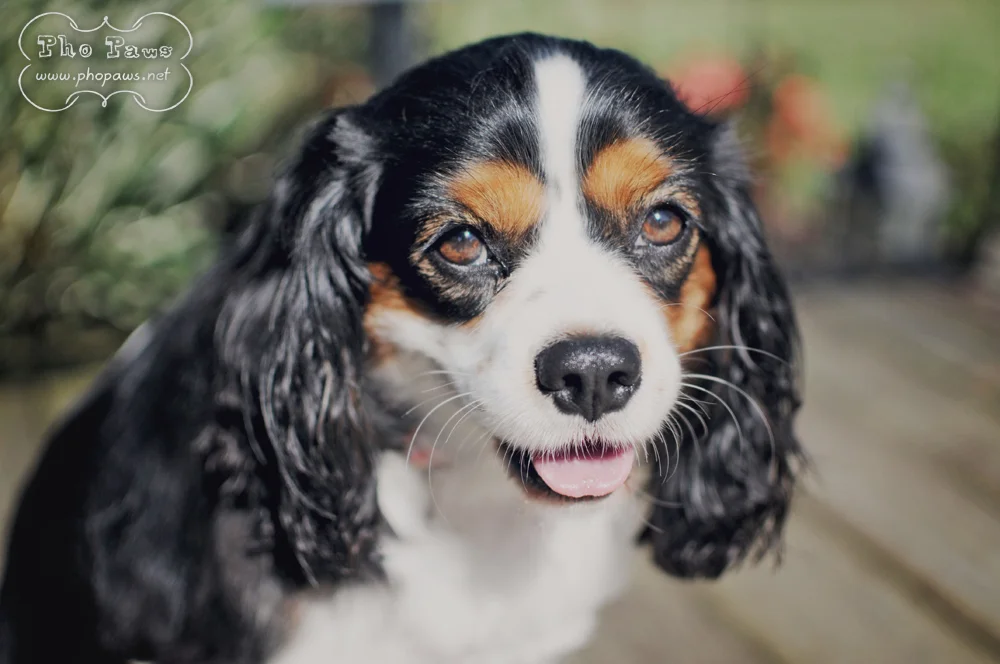
Oliver is a beautiful Cavalier King Charles Spaniel who did a fabulous job responding to his owners and me during our training session. If you have a puppy, I would highly recommend hiring a trainer to come into your home and teach you about some basic household structures to save you some headache in the future!

image.jpg
categories: Dog Training
Friday 09.25.15
Posted by Kelsey R
 

Dog Training 411: Obedience & Service Dogs

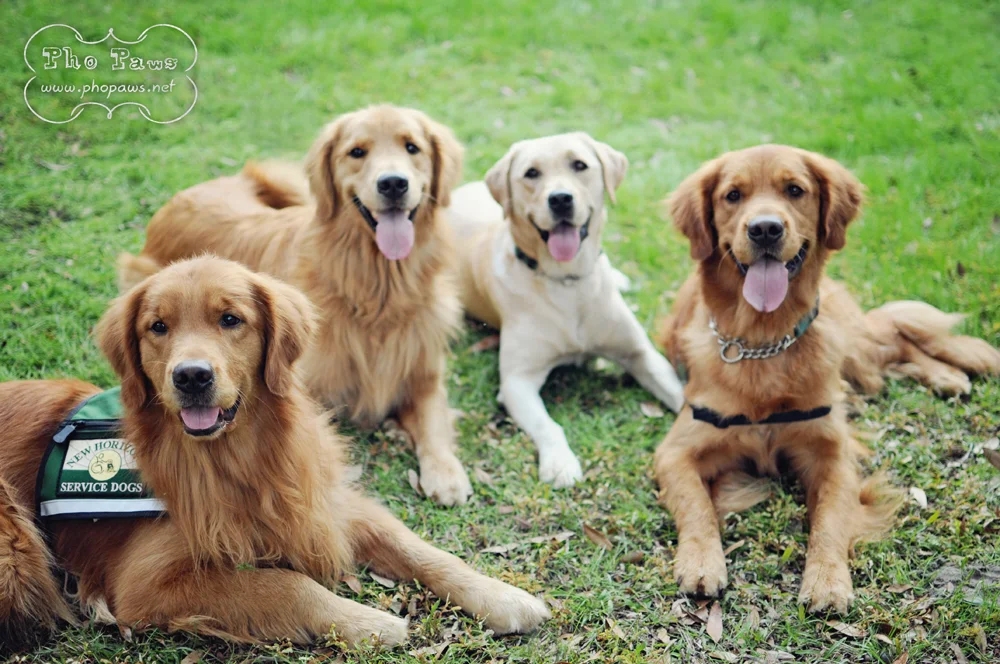
Service dogs are such a blessing to so many people. They have been taught how to perform basic and complex tasks that those who are disabled have a difficult time doing for themselves. I have learned so much from observing training sessions and teaching in my partnership with New Horizons. 

One of the major lessons I have learned is just how important it is for a dog to have a job. As I say in all of my sessions, a dog with a job is one happy dog. Obedience is a great tool for mental stimulation and relationship building with your dog, but many of us stop at the basics. 

If your dog is smart, why stop at the basics? If your dog is not so smart, why leave him that way? Sometimes dogs with a shorter attention span can actually be stretched in their attention span by being given a job that comes more naturally to their genetic disposition. 

Goldens and labs are great service dogs because we have engrained in them the desire to please their masters. Once they learn which behaviors are pleasing and which aren't, teaching them becomes like clock work combined with skilled profile pairing. 

I have seen service dogs be mind bogglingly obedient, and I've seen some struggle to keep focused. So socialization plays a huge role, too. The more a dog is trained to ignore everything that is not pertinent to pleasing it's master, the better that dog does when working with his next master.

It's so important to be able to pass off the baton to the new owner, so training sessions are done in groups and individually to ensure the best chance for success. The trainers who actually work for New Horizons have done a fabulous job and have observed what works best over many years of working with dogs and people. 

I'm grateful for what I have learned from this organization, and I continue to teach the importance of mental stimulation, physical stimulation and socialization in my one-on-one sessions with my clients.

categories: Dog Training
Friday 09.18.15
Posted by Kelsey R
 

Dog Training 411: Boundaries For Success

Dogs understand rules, boundaries, and limitations as being the most important giveaway of who the leader is. Whoever sets and enforces boundaries for the packs own good is seen as the one in charge. They are constantly looking for where the boundaries are and who is reinforcing those boundaries. If you have a dog that follows all the rules you have set, they will still occasionally check to see that those rules still exist.

In my experience, the healthiest rule you can set up for your dog is for them to only receive affection when they earn it. This means that the dog must do as you ask before getting a reward. Every household is different and the set of rules that you may apply to one dog may be different in another household with another dog. This being true, I find that setting a boundary for the dog not to enter the kitchen, or sleep on the bed with the owners, or enter certain rooms uninvited are great boundaries to start with so that the dog becomes spatially aware and respectful.

Ideally, you want your dog to check in with you before going forward and entering a room, or greeting a person. This means that your dog is waiting for the green light from you. Still to this day, when I open any door to walk through, my dogs will look up at me before simply walking through. This tells me that they are looking to me first before making the decision on her own.

This is really vital in having a happy and healthy relationship with your dog because if they do not look to you before they decide their next move, then you are not seen as the decision-maker. Now, you may be thinking: why is important that my dog sees me as the decision-maker? Great question! It is important that your dog sees you as the decision-maker, because the decision-maker is seen as the pack leader. Unless you would rather have your dog tell you how you can greet your guests, I would recommend that you inform your dog of the proper way to maneuver around these boundaries.

The purpose of setting up boundaries around your household for your dog is to set them up for success. If your dog has no boundaries, rules, or limitations, they will presume the rights to do anything they want at any time that they want to do it. The danger with your dog doing whatever they feel like doing is that they will begin to enforce their own set of rules on their followers. Dogs are pack animals. They will either resort to being told what to do, or telling others what to do. There is no way around this.

At the end of the day, your dog does not really want to be in charge. They simply want a job to do and an owner to please. If they feel that they don't have either one, they will give you a job to do and have you please them instead. Which one would you prefer? I find that my clients would prefer to have their dogs listen to them than visa versa.

image.jpg
categories: Dog Training
Friday 09.11.15
Posted by Kelsey R
 

Dog Training 411: Breed & Behavior

The study of dog breeds is a very interesting topic to me. We know that genetically all dogs come from the line of wolves, however, some breeds seem stronger than others or seem to have different tendencies than others. The fascinating part about this is that every dog was bred to do a job and if they are not doing that job in a way that fulfills their breed's needs, we notice these tendencies play out in negative ways.

This could be true of a herding dog that resorts to corralling the kids around the backyard if they are not allowed to herd animals, or a mountain dog becoming bored and chews excessively because they don't have something to haul. If you look at dogs behavior objectively, none of their behaviors are inherently constructive or destructive, but rather are simply responses to what their environment is providing for them. If they feel like they have a job to do, they will fulfill on that job. If they don't feel like they have a job, then they're going to find a job one way or another.

Dogs want to please their masters. That is in their genetic coding. If they are not notified that they are displaying a behavior that is pleasing or displeasing, they have no reference point on how well of a job they are doing. If they are getting mixed signals from their master, they're going to choose the pleasing behaviors over the not pleasing behaviors. If the dog had a traumatic experience or was injured, abused or neglected, is likely that that dog will resort to a self defense mechanism such as fear-based aggression. This is often the root of what we as people see as destructive behaviors in a dog. I also notice that the "destructive behaviors" we see dogs display are rooted in our rewarding behaviors unknowingly and thereby reinforcing behaviors that we ultimately don't want.

I have seen this time and time again with dogs who jump on people or greet them in other spatially disrespectful ways. Their owner does not know what they're doing to reinforce this behavior, and therefore the owner sees it as a bad behavior but doesn't know where it came from or how to stop it.

How breed come into this picture is the dog's natural tendencies. We know that dogs are going to act first of all like animals because they are animals. Secondly, they're going to act like a dog because they are a dog. Thirdly, they have specific tendencies depending on their genetic coding and the job that they're breed was bred to do. If we are fulfilling their breeds needs based on their job in their current environment, theoretically speaking there should be no behavior issues given that they know their role in life.

Where the issue comes in is  when we remove the dog from a natural breed setting and job and leave it jobless and without a leader. So, I would encourage you to ask yourself: what breed is my dog, and what job where they bred to do? Am I filling my dog's job needs? Is the environment that I live in a bad fit for my dog's job needs? Does my dog seem to display distracted behaviors because I am not leading them, or because I am reinforcing behaviors I do not want?

You may be wondering, how could I be enforcing behaviors I do not want without knowing it? Glad you asked! Anytime a dog gets rewarding things such as food, water, petting, human attention, etc., your dog's current state of mind is what is reinforced. They learn what states of mind are most pleasing to you based on which ones you reward the most. So maybe now is a good time to ask yourself: how and when do I reward my dog? Am I aware of the states of mind I am reinforcing when I reward my dog?

image.jpg
categories: Dog Training
Friday 09.04.15
Posted by Kelsey R
 

Dog Training 411: Spotlight on Lily

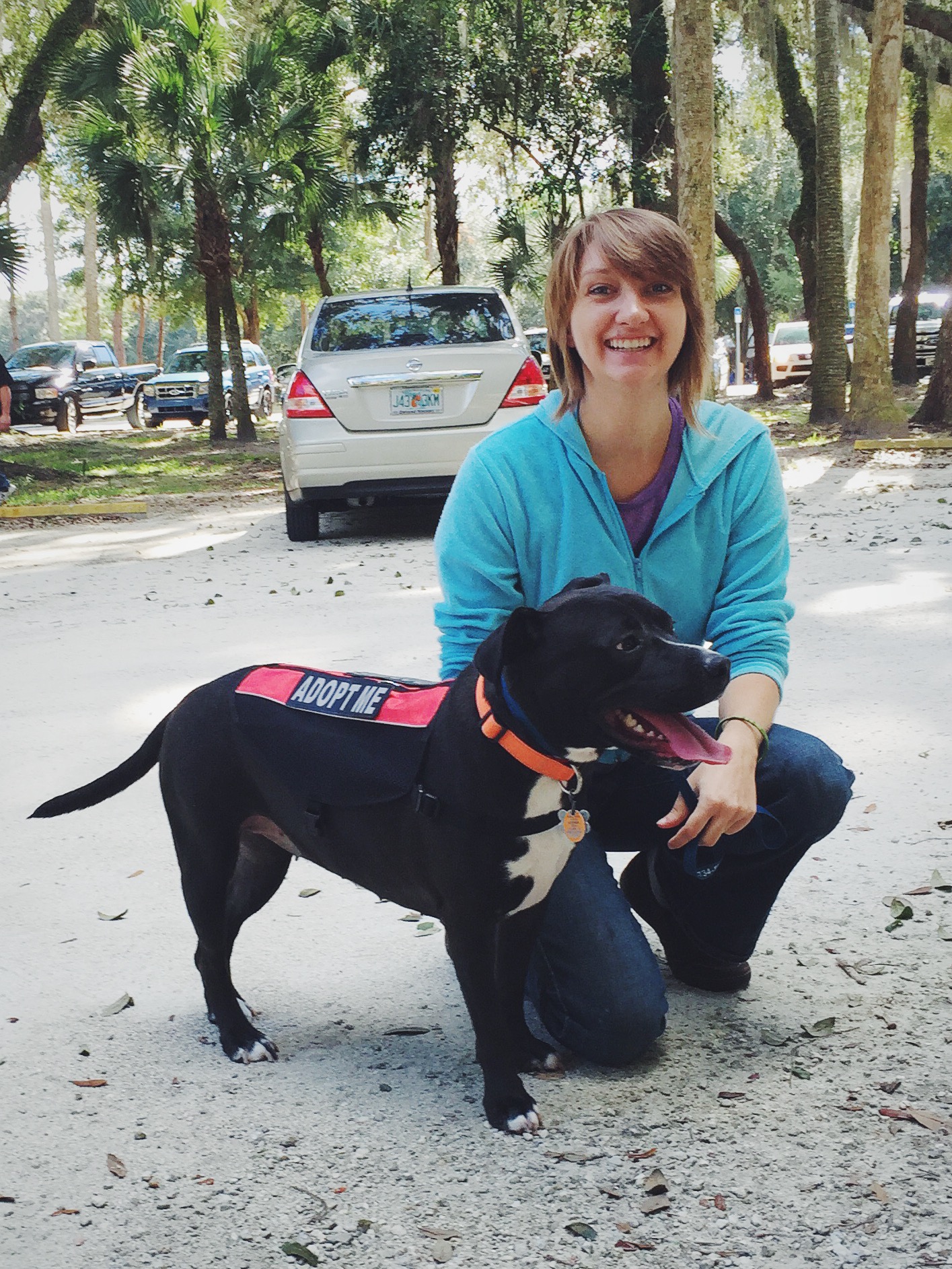
This is Lily! She was found on the side of the road where a sweet woman took her in and nursed her back to health (she was in really bad shape!) She is currently under my training and in a foster situation, but the foster parents can't keep her for much longer. We are looking for a home for her ASAP! Others have so generously been able to help her out by socializing and exercising her, and she needs a loving home who will be open to a family type dog. She is fabulous with kids and other pets.

Lily was apprehensive when I started working with her. We wanted to do a little course correcting on her growing fear of people and I am pleased to announce that she has been doing so well since she has been being walked more often and socialized more often! In the image above, you can see her curiosity because I was making a noise to get her to look at the camera that way, but in the picture to the left you can see her more natural body language stance. 

Her ears are back (listening for what is behind her and not fully in tune with what is in front of her) and her tail is at a medium height, slowly wagging (signifying a slight skepticism). The photo above was taken after my first session with her and the photo to the left was taken after my second session with her.

At this point we have done three sessions and we will continue to work on socializing and exercising her more regularly! As soon as she finds a home who can commit to these two things, it will be smooth sailing all the way to complete psychological and physical health for Lily.

Please share this blog post with anyone you know who may be interested in fostering / adopting Precoius! Contact Marion at 386-871-3956 or mimisunny@hotmail.com

categories: Dog Training
Friday 08.28.15
Posted by Kelsey R
 

Dog Training 411: Spotlight on Lucas & Danica

Lucas and Danica are two beautiful Caveleir King Charles Spaniels who I worked with for a breed study. I'm going to share a few key points I learned about this great breed! As a part of the toy breed, CKCS's are a small dog with a big heart. They are one of the most cooperative and loving breeds I've ever worked with, and it makes perfect sense to me why people enjoy them as part of the family. They are relatively lazy (for a dog), and therefore don't resort to bad behaviors when bored, they'd rather sleep. Because they weren't genetically bred to do a specific job, owners don't have to focus on getting their job needs met before they follow along with the owners' current activity. 

Working breeds have no sense of purpose if they are not given a job on a consistent basis, and most of the work I do is to help owners find a job for their dog because their dog has resorted to destructive behavior due to not having a job. However, most toy breeds need less exercise, don't require nearly as much focused training time, and usually like to travel with their people. I observed that these two are happy participants in any activity. They wanted to be a part of whatever their owners were doing, and they didn't need too much incentive. 

The Caveleir King Charles Spaniel is an excellent breed to choose for a first time dog owner, or someone looking for a kid friendly family dog with lower maintenance than a working or sporting category breed. I noticed that one or two hardy walks per day was enough for these two to get their physical exercise needs met. If you're looking into getting a CKCS, I would recommend having a lengthy discussion with a breeder and meeting as many of the breed (or any breed for that matter) as you can. 

Getting a dog is a huge commitment and I would recommend that you take time to research the background, tendencies and pros / cons of any particular breed you are looking at. Caveleir King Charles Spaniels are adaptable but easily distracted, so creating the right kind of incentive for obedience training is key. Lucas and Danica were happy to follow the travel itinerary and chase lizards on breaks. Watching them, I was once again reminded of the importance of choosing a dog that will go well with your lifestyle. 

Most of the work I do with dogs is redirecting misbehavior and working with problems once they already exist. This is why I would encourage you to really research the dog breed that you are hoping to get, or to the best of your ability, the mutt breed mix you would like. I often see that the specific breed someone has chosen is not necessarily a bad fit, but working through the behavior issues that the dog came to them with or developed is just a little more than they're willing to do. Sometimes it is better to research a different breed or take more time making a decision about getting a dog. 

categories: Dog Training
Friday 08.21.15
Posted by Kelsey R
 

Dog Training 411: Land Rollers

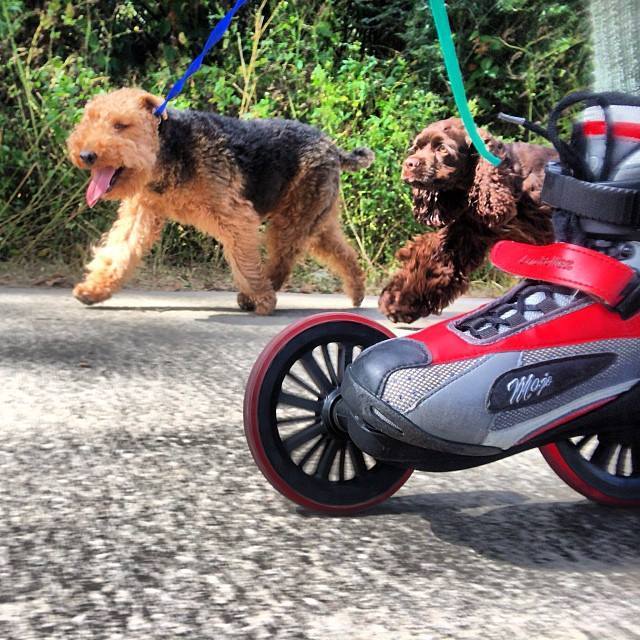
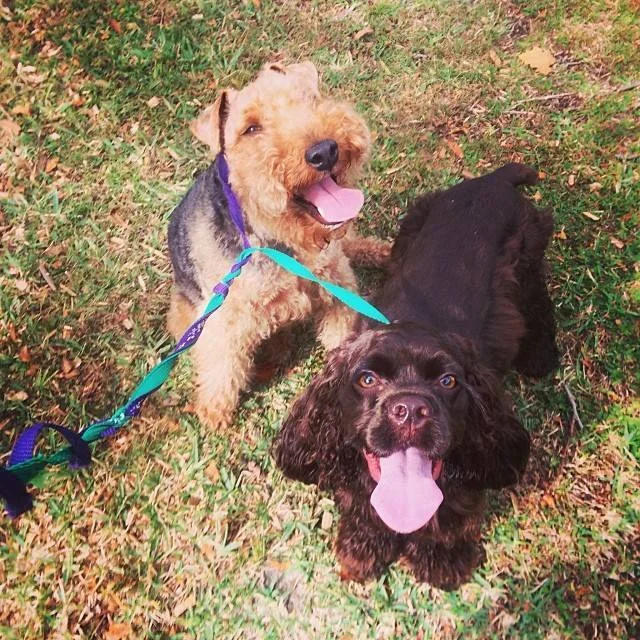
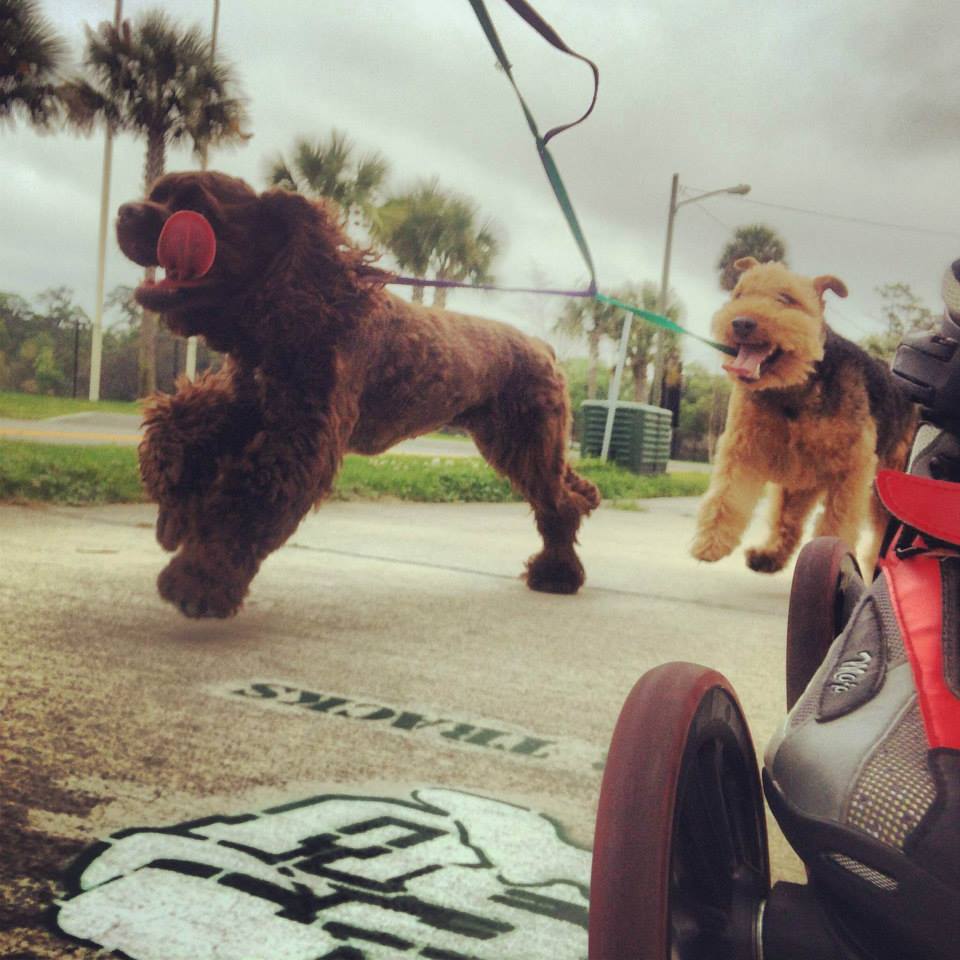
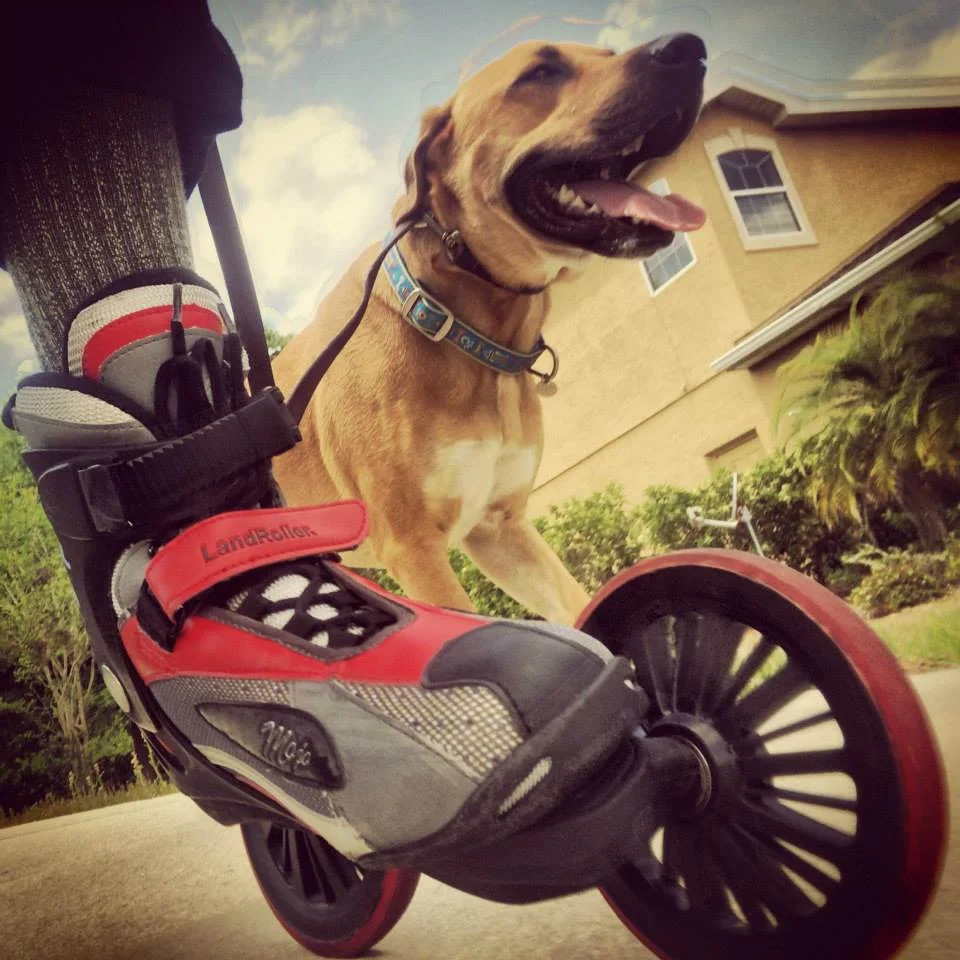
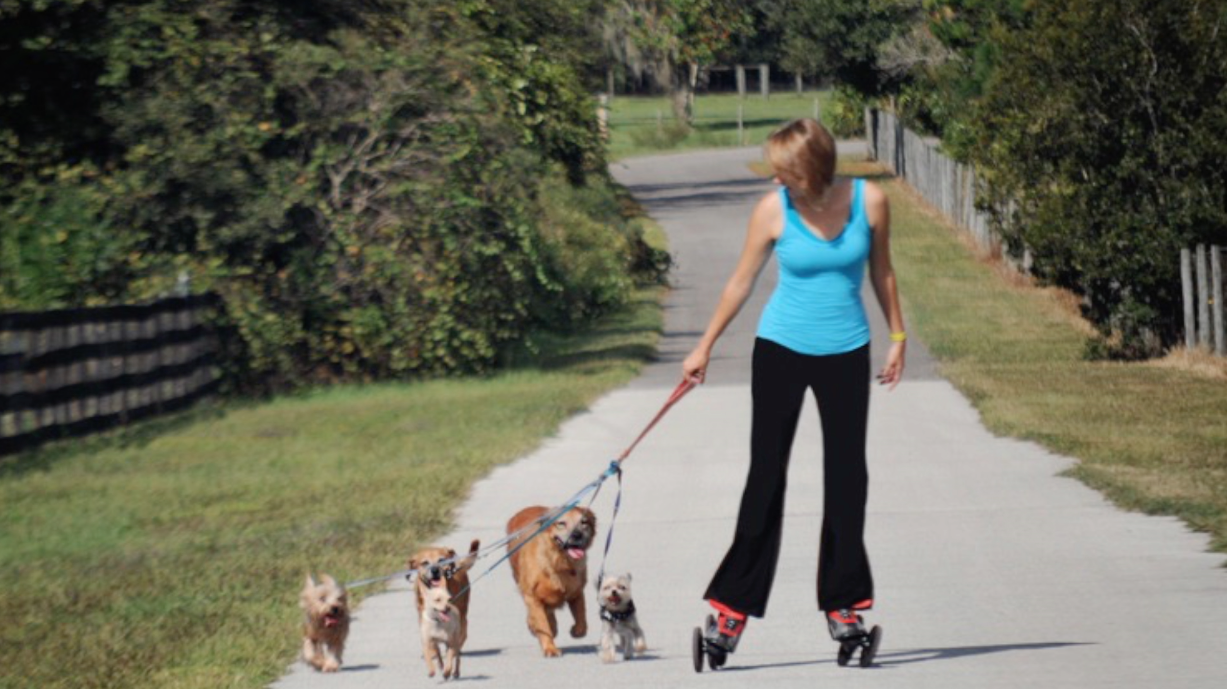
Harper and Abbey are quite the pair! Their owner asked me to exercise them, and I honestly don't know who got more exercise. I quickly noted that they have incredible stamina, so I popped on my blades and off we went rolling. Being high energy dogs, I knew they could take long and hard exercise sessions with me. The moral of Harper and Abbey's story is: exercise, exercise, exercise! All dogs need exercise, and some need more than others. Harper and Abbey need more than your average aging lap dog, but everyone who interacts with Harper and Abbey have seen improvements in their energy level based solely on the addition of exercise.

categories: Dog Training
Friday 08.14.15
Posted by Kelsey R
 

Dog Training 411: Focused Physical Activities

Dog's were born to move. From the time that we began changing their genetic coding according to jobs that we wanted them to fulfill, they've started to become man's best friend. One of the best ways we can help them fulfill the job we gave them to begin with is to provide them with sufficient exercise. Many breed categories such as the working category or sporting category often need more exercise than a non sporting or toy dog. However, I find that most dog owners are unaware of how much exercise their dog truly needs to be healthy.

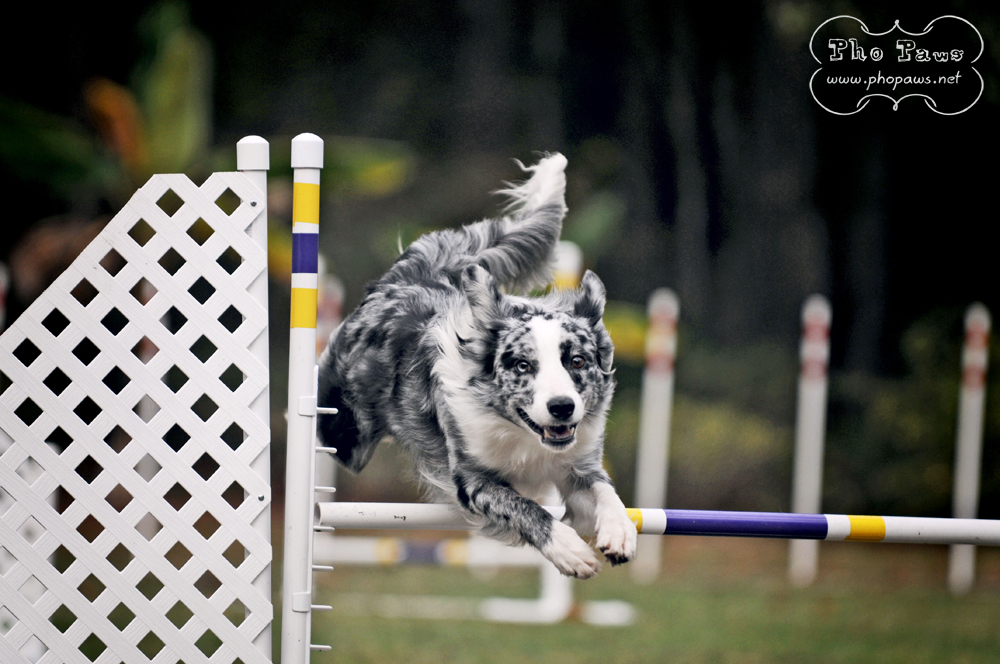
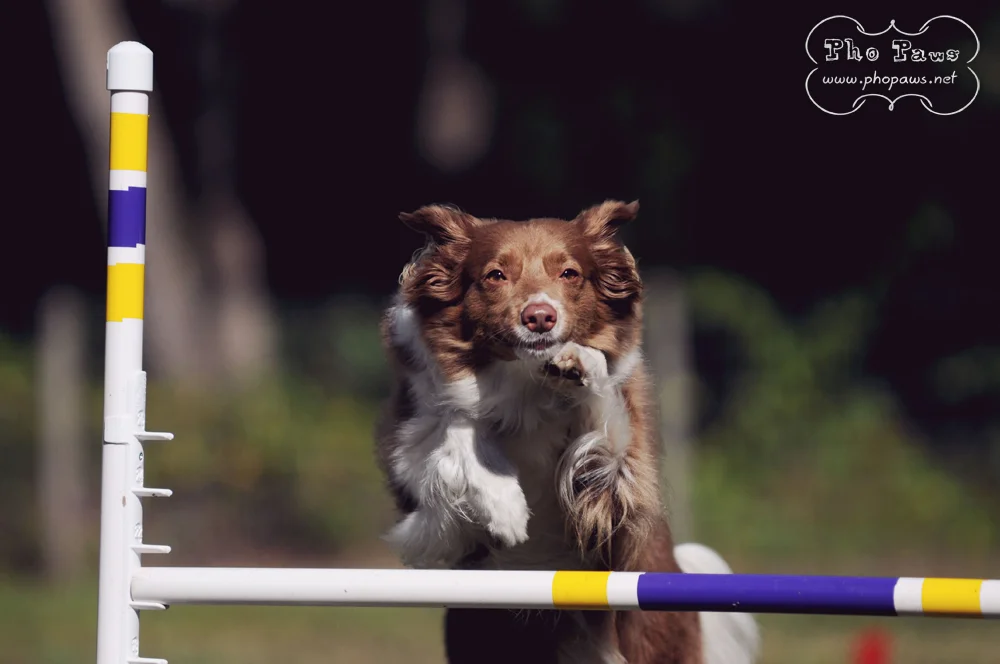
A tired dog is a happy dog. Most destructive behaviors come from a lack of being able to channel energy in a healthy way. This is one of the main reasons why I recommend "extra curricular" type activities to do with your dog. Agility is one of the most popular ones, and is great for many dogs! I did agility with my mixed breed dog before there were agility trials for mutts. And though I never showed her, we grew so much closer during our lessons and practice sessions.

Frisbee and flyball are two other great sports, depending on your dog's toy drive. Some dogs love water, so swimming, dock diving, or chasing garden hose water around the back yard can be fun activities. If you have any idea as to your dog's breed, do a little research as to their man given job according to their genetics, and start to brainstorm some activities you can do with your dog. 

Of course, all of these activities are an addition to their physical exercise needs being met from walking. There is absolutely nothing that can take the place of walking your dog. Period. They were born to move, born to travel. It's in their inborn nature to travel on all fours as a pack. I find that for growing dogs, or dogs with a high drive, walking is simply not enough mental stimulation. That's where these extra activities come in. 

I would encourage you to assess your dogs energy level and current exercise regimen and get an outside perspective from a professional. If you are experiencing behavior issues or even just observing an abundance of energy in your dog, consider implementing more exercise, both physical and mental.

categories: Dog Training
Friday 08.07.15
Posted by Kelsey R
 

Dog Training 411: Spotlight on Lula

Lula is a Chihuahua fit for combat. Extremely muscular and a constant vibration of motion and dominance, we had many issues to work out. She was incredibly possessive of her own personal space, so she would nip at any dogs who came near her. One thing that is not so obvious about working with small dogs is that the behaviors that most people would dismiss as "cute" or "acceptable" because of their size, a great dane would never get away with. When we let them slide on behaviors such as jumping on people, possessing their own space or even people, constantly pacing, etc., we allow them to escalate in a bad frame of mind. 

A dog's state of mind is written all over his or her body language, so it's important to pay attention to what their body language is telling us. I worked through all of these issues with Lula by bringing her around as many other dogs and people as possible, always followed closely on the heels of exercise. Many small dog breeds are stunningly fast and need a lot more exercise than we give them, so once I kicked up the pace with Lula, she behaved much better because she was getting that need met. Once she had a reward and consequence system in place with her owner, she realized that these bad behaviors were actually not pleasing to her owner. 

Dogs who are more dominant don't always have that much incentive to work for and please their owners, but mainly this is because they don't understand that their owners are in charge. Most people don't know how to gauge whether they are more dominant or whether their dog is, and so most of my work is in coaching people on how to be more dominant than their dog in their dog's eyes. When dogs understand that they have a job and someone to please, they work hard to protect that, but if they don't feel that they have either, they make it their job to please themselves and reprimand everyone who doesn't please them.

I learned so much from working with Lula. The most important thing that I learned was the importance of consistency when working with a dominant dog. I teach on consistency with all dogs, but dogs who challenge your boundaries need to be told more often that they are, in fact, not in charge here. Lula successfully transformed through the application of my training methods and behaves how her owner wants her to now. 

categories: Dog Training
Friday 07.31.15
Posted by Kelsey R
 

Dog Training 411: Spotlight on Cane

Cane is a Kelpie mix who I had the pleasure of working with in order to teach his owner about leash effectiveness. I always learn something new from every dog that I work with, so I wanted to share a few things I learned from working with Cane.

I have found that working with dogs looks a lot like working with people and teaching them how to work with their dogs. At the end of the day, that dog sleeps at their house and I sleep at mine, so less important is how I get results with the dog and more important is how well my client can work with their own dog.

Cane's owner reached out to me after watching my "Ask A Dog Trainer" video about leashes, so I set up a session with him to coach him in how to walk Cane in a more relaxed manor. All dogs are sensitive to both physical and auditory movement to varying degrees. The ability to gauge those degrees and time your rewards and consequences is in a nutshell, dog training. 

If you've ever read about dog training, you've probably heard about compulsion methods vs. positive methods. In my opinion, the reason why there is such heavy emphasis on positive methods is because most people who are trying to work with a dog without a professional don't know how to use their energy to their advantage. This means that when we as humans get frustrated, we are sometimes unaware of just how strongly that is communicated to a dog through energy. Same thing when we are calm.

Because it's hard to train energy through writing, it's often safer to teach capturing a behavior and only reinforcing the positive behaviors. This is truly where I believe that bringing in a professional wins, because positive only training may not be effective if your dog has already developed bad habits and has malfunctioning behavior. A professional with balanced methods can explain what needs correcting, how, when and why.

This is why I am so glad that Cane's owner reached out to me. He was doing a great job walking with Cane, but was using a choke collar and Cane was pulling. Long term, this can cause serious damage to a dogs phasic. I helped them walk peacefully and with no pulling using a nylon slip, the first collar / leash that I turn to in most situations. 

Working with Cane, I was once again reminded that so much can be learned over the internet through many different outlets of education, but when it comes to energy and body language, it really is best to bring in an educated perspective, even if it is just walking on a leash.

categories: Dog Training
Friday 07.24.15
Posted by Kelsey R
 

Dog Training 411: Spotlight on Jax

Jax is a boxer / lab mix who belongs to a good friend of mine. He is extremely smart and playful, and I want to share a few things I've learned from watching and working with him. His owner has done so many things right in order to encourage him to be a loyal and hard working dog, and one of those things is mental stimulation. Jax is a high energy dog who is more dominant around other dogs than submissive, but because his owner has made it clear that certain commands and cues please her, he isn't busy trying to assert his dominance in every situation as a dog would do who doesn't have guidance and leadership. 

I have watched them work hard on mental exercise and also stay consistent with physical exercise, and these two things are the solid foundation for a healthy and happy dog. Whenever I'm working with a high energy dog, I recognize that it may take a little extra work to wear that dog out, but it will be ten times more worth it than if the dog never gets his needs met in that way. Dogs will find a way to channel their energy, whether that be in a destructive or constructive way, so it's our job as their owners to direct the energy being channeled. Sometimes they have an outer layer of excess energy that needs to be shed over a period of time in order to discover how much of what type of exercise they really need, and that is why working with them from a young age (if possible) is key. 

Jax's owner acquainted him with several forms of physical exercise in order to learn what worked best for him. I worked with him with my Land Rollers, and he did great with them! He has been exercised with a bike and by jogging, and he has taken to all of these forms very well. Physical exercise is absolutely vital to a dog's life and health, which is why I put a heavy emphasis on it during my training sessions. Once the right amount and type of exercise is in place, everything else can come right. Great job, Jax! 

categories: Dog Training
Friday 07.17.15
Posted by Kelsey R
 

Dog Training 411: Spotlight on Abby

Abby is a beautiful 6 year old Weimaraner. Her owners called me in to help them learn the ins and outs of walking and crate training, and Abby responded very well to my methods and her owners reinforcement applied over a consistent period of time.  

Many times I work with dogs whose backgrounds are somewhat known and somewhat unknown, and it's important during sessions with dogs who have an unknown background to observe any missing links. I noticed that Abby has some beginning signs of separation anxiety, most likely from being moved from one home to another recently.  

Separation anxiety has numerous levels and it can be a tough topic to bring up, so this is why I always teach: 1) exercise 2) discipline 3) affection. When people see with their own eyes that their dog is happier to receive affection after exercise and discipline, it's much easier to discuss the necessary elements in dismantling separation anxiety.  

Dogs respond to the environment in which they are put. This is amazing news because we are responsible for changing their environment and we can therefore change the way they behave. However, this needs to be a simultaneous reward and consequence based system. Dogs will always reproduce rewarded behaviors, which is why even separation anxiety can become a "self fulfilling prophecy" type behavior. Similarly, they will have ample incentive to discontinue behaviors that are corrected, so both are equally important.  

Abby responded beautifully to my methods and her owners implementation of my suggestions. Great job, everyone!

IMG_4670.JPG
categories: Dog Training
Friday 07.10.15
Posted by Kelsey R
 

Dog Training 411: Owning Multiple Dogs

Everyone I've talked with who has five or more dogs claims to be a serious dog lover. This probably doesn't come as a surprise, given the maintenance that only one dog needs on a daily basis. Dogs have a lot to teach us about community, boundaries, love and respect, and I would venture to say that if you have more than five dogs, you are constantly reminded of these things. 

All dogs need exercise. Period. Often times when I work in homes with multiple dogs, I find that one of the main problems is lack of exercise, multiplied by the number of dogs. It doesn't matter if I'm working with five Maltese dogs, they still need to get their energy out somehow. 

Collective exercise can be a beautiful thing, or it can be a disaster if you don't have control over your dogs and if they don't respect you as their leader. Dogs feed off of each other's energy and behaviors, therefore you can have many very well behaved dogs in one house, or many monsters. 

My best advice to anyone who owns multiple dogs and wants to have a peaceful and happy existence with them is to treat them all equally. See yourself as number one and see them all as number two. This looks like you doing everything first, and then doing everything second. Dogs want someone to look up to and call their master, but without this role in their life, they quickly realign the pecking order and begin to take charge out of necessity. 

I am always impressed by other people who take on the challenge of owning multiple dogs, it especially makes my heart very happy when I see multiple rescue dogs in one home. We must keep in mind, though, that it is our responsibility and privilege to care for them as pack leaders rather than just part of the pack. 

categories: Dog Training
Friday 07.03.15
Posted by Kelsey R
 

Dog Training 411: Spotlight on Fitch

Fitch is a beautiful mutt puppy who simply needed a little guidance. I had a blast working with her owners on basic household structures and dog behavior observations for their present and future use! Working with puppies is always a privilege for me because I love helping people set the future up for success with their dog. 

I observed that Fitch is more sensitive to an audio and physical correction rather than just physical. Since she is going to get bigger and stronger, now is the best time to figure out a consequence and reward system that works within the natural inclination of a puppy.

I'm happy to report that her owners picked up on my training methods and took my suggestions quickly, so they saw results quickly as well. Working with puppies is great, but working with receptive people is even better! I know that they will all have a happy life together, so long as they stay consistent and keep working on it! 

categories: Dog Training
Friday 06.26.15
Posted by Kelsey R
 

Dog Training 411: Spotlight on Rocky

Rocky is a beautiful young pit bull that I'm in the trenches working with. I've learned some key things from working with him, the first one being that dogs always need more exercise than we think they do. Rocky is a hyper active submissive dog who responds well to consistency and authority.  

One fabulous thing about dogs is that they truly do respond to their environment and the energy that is projected within their environment. This is great news because we are responsible for creating their environment and we are also responsible for the energy we project.

Dogs respond to calm and assertive energy with a calm submissive energy, given their inclination towards pleasing their owners based on their relationship of trust and respect. Rocky has been a great dog to work with and learn from, and his owners are doing a great job with him so far.

categories: Dog Training
Friday 06.19.15
Posted by Kelsey R
 
Newer / Older

 Stay in the loop. I'll send you immediate access to this free guide!  

You will also receive my best advice for raising a healthy dog, along with updates on new collectible items in my shop.  

Check your inbox!

Come. Sit. Stay. Follow Me.


@PHOPAWS